
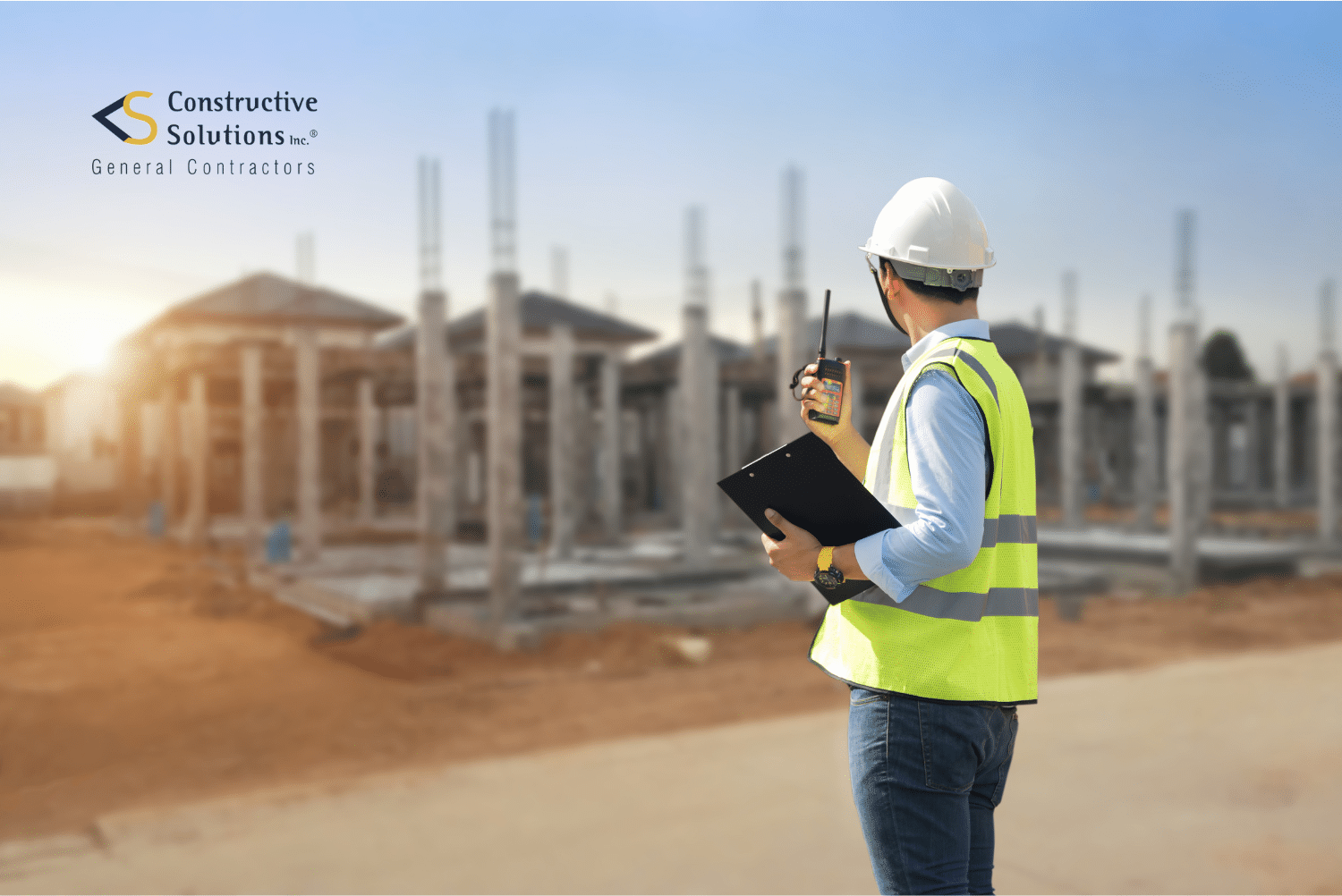
Completing commercial construction projects on schedule and within budget is a complex task that requires expertise, planning, and discipline. Only 8.5% of construction projects finish on time and within budget, according to Professor of programme management Bent Flyvbjerg.
Whether it’s building a corporate office, renovating a retail space, or constructing an industrial facility, every project involves numerous moving parts, and commercial general contractors are the ones responsible for keeping everything running smoothly.
In this blog, we will understand how experienced general contractors ensure commercial building projects are delivered efficiently, on time, and within budget.
1. Laying the Groundwork with Pre-Construction Planning
Every successful commercial build starts long before any work begins on-site. The pre-construction phase is where general contractors lay the groundwork for the entire project.
This stage involves collaborating closely with architects, engineers, and stakeholders to align the scope, schedule, and budget. General contractors perform site assessments, feasibility studies, and environmental impact reviews to uncover potential challenges before construction starts. Using tools like construction management software and Gantt charts, contractors create precise schedules and budgets. They also identify critical items, like long-lead materials and plan for them early.
Pre-construction meetings also serve as an opportunity to define expectations, resolve ambiguities, and discuss everything from layout design to material choices. This level of preconstruction planning helps avoid delays and unexpected costs during the actual construction phase.
2. Project Scheduling and Workflow Management
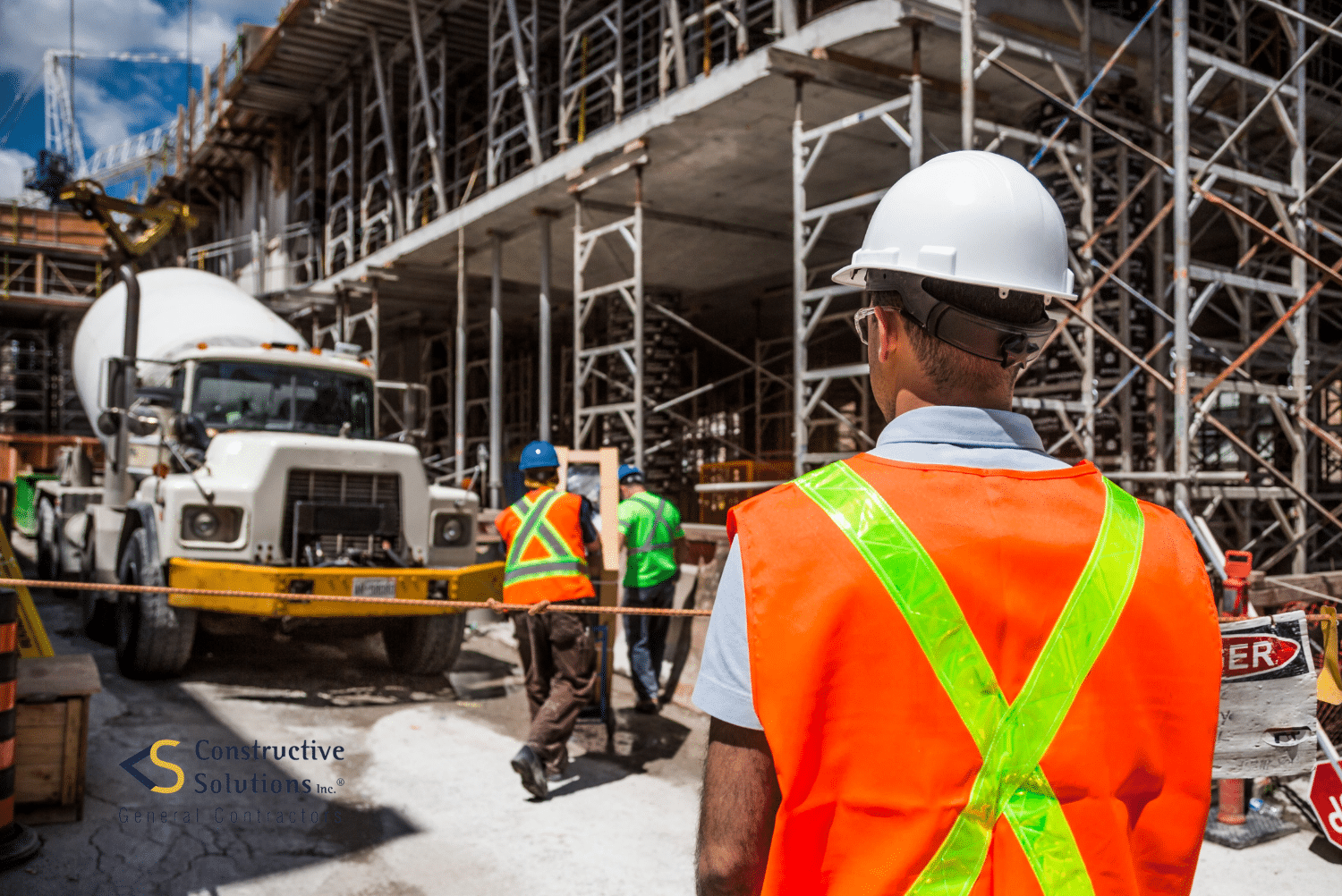
Once the groundwork is complete, execution hinges on robust project scheduling and day-to-day management. General contractors utilize scheduling tools like Critical Path Method (CPM) and software platforms such as Procore, Buildertrend, or Primavera to sequence every activity, from site grading to final inspections.
These tools help them understand which tasks are interdependent and which can be completed in parallel. When properly structured, this allows seamless handoffs between trades and prevents bottlenecks. Regular meetings, field reports, and on-site inspections allow commercial general contractors to respond to issues immediately.
Equally important is contractor adaptability. If weather delays framing or a shipment gets postponed, general contractors replan the schedule, adjust task sequences, and reassign labor to avoid lost productivity.
3. Real-Time Cost Control and Value Engineering
Controlling costs is just as critical as managing time. 91.5% of construction projects experience budget overruns, schedule delays, or both. General contractors oversee every dollar spent and keep budgets aligned with expectations. From labor hours to materials, they track costs continuously with construction accounting software that provides detailed logs and real-time alerts. These construction accounting tools help automate the entire process and highlight risks of budget overruns before they escalate.
A helpful tactic commercial contractors employ is value engineering, reviewing materials and construction methods to achieve the same results at a lower cost. For example, using pre-engineered framing or modular components can cut both expenses and installation time. They also work to secure competitive subcontractor bids and negotiate bulk discounts with suppliers.
Change orders, inevitable in any construction project, are tightly managed. General contractors document each change, price them, and obtain client approval to avoid surprises and maintain accountability.
4. Streamlining Communication and Collaboration
Miscommunication is one of the most common causes of delays and cost overruns in commercial construction. General contractors often act as the central point of contact in the project, coordinating between owners, architects, engineers, trades, and vendors.
They establish communication protocols from the start: weekly updates, shared digital dashboards, and real-time messaging via platforms like Slack or Microsoft Teams. This streamlined communication ensures that everyone from subcontractors to stakeholders is on the same page.
Experienced general contractors also serve as effective problem-solvers. When a design change affects mechanical systems or when two trades need the same space at once, they mediate adjustments swiftly to prevent conflict and downtime.
5. Managing Risks and Safety Protocols
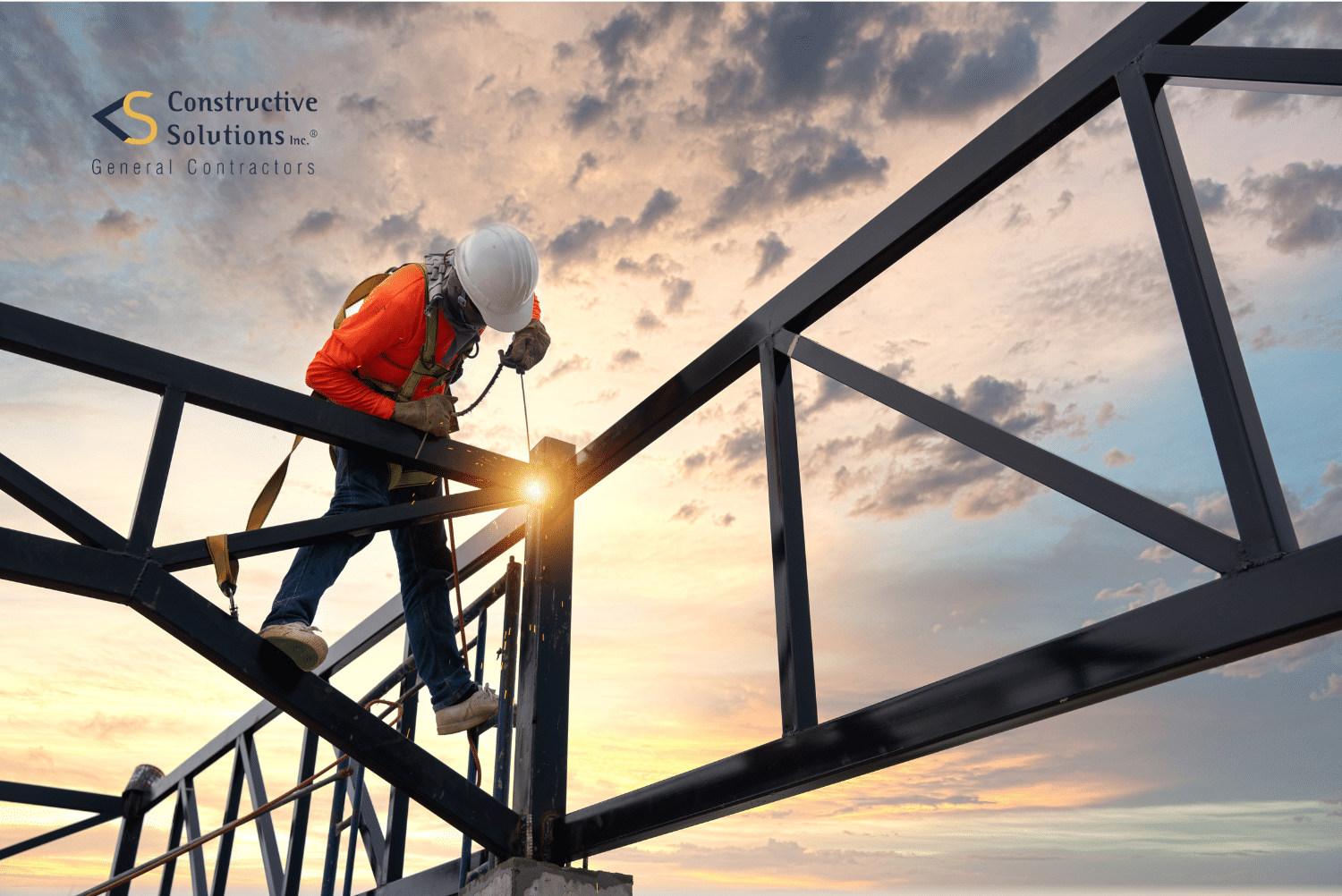
Unforeseen issues like equipment failures, labor shortages, or unstable site conditions can derail a project. General contractors actively manage these risks by identifying potential issues early and preparing contingency plans.
A contingency fund, typically around 10-15% of the total construction project budget, is allotted for covering surprise expenses. This financial cushion helps absorb costs arising from material delays, unforeseen conditions, or emergency changes.
Safety is another significant risk factor. General contractors implement OSHA-compliant safety plans, schedule routine inspections, and offer worker training to minimize construction site accidents. A safer construction site not only protects people, but it also saves the project stakeholders from the legal and financial blowback of expensive delays and insurance claims.
Quality control is another top priority for general contractors. Inspections and walkthroughs ensure that every construction phase meets building codes and client expectations, avoiding costly rework later on.
6. Subcontractor and Vendor Oversight
Subcontractor and supplier management are essential to the success of any commercial construction project. General contractors are responsible for hiring, coordinating, and monitoring these contributors to ensure smooth execution. Commercial contractors begin by vetting these subcontractors thoroughly, checking past project performance, insurance status, credentials, and financial health.
In the construction contracts, they clearly define project scope, payment schedules, and deliverables to prevent misunderstandings, whereas performance is tracked throughout the build. General contractors hold daily performance checks and site walk-throughs to review progress, address any issues quickly, and avoid possible delays.
Solid relationships with vendors also matter. Reliable suppliers ensure materials arrive on time, while long-standing partnerships often translate into reliable delivery of materials, better pricing, and consistent service, all vital for keeping projects on time and within budget.
7. Technology for Precision and Productivity
Digital transformation is reshaping commercial construction. Commercial general contractors are embracing cloud-based platforms for scheduling, cost tracking, field reporting, and document management.
Tools like Procore, Buildertrend, and Autodesk Construction Cloud offer real-time dashboards that allow contractors to track every aspect of a project in real time, from labor hours to budget updates to daily logs. Drones and 3D scanners capture jobsite progress, while mobile apps enable crews to submit daily reports or RFIs instantly.
This integration of technology creates a seamless loop between the field and the office, ensuring reduced manual errors and greater productivity of the workforce.
8. Investing in Training and Hiring the Right Team

A general contractor’s team is their greatest asset. They focus on hiring qualified team members who align with the company’s standards and vision can make or break a project. General contractors seek individuals with both technical skills and the ability to adapt to evolving job site demands.
Whether it’s learning a new software or mastering an advanced building technique, upskilling ensures teams stay efficient and compliant with evolving standards.
A general contracting team that understands the vision, communicates well, and works efficiently together is more likely to deliver a high-quality commercial build on time and within budget.
Case Study: Commercial Building Renovation – San Francisco, CA
Project Brief: A client hired a general contractor for a complete interior renovation of a 3-story commercial building in San Francisco’s Mission Bay neighborhood, aiming to modernize the space for incoming tech tenants. The client’s budget was $4.1 million, and the goal was to complete construction in five months to meet tenant move-in deadlines.
The general contractor’s team applied the following strategies to execute the project:
- During pre-construction, the team identified outdated mechanical systems and a lack of clear as-built drawings, both of which posed risks to the timeline and budget.
- To address this, they conducted detailed site surveys and worked closely with the design team to adjust layouts before demolition began.
- The commercial building contractor phased subcontractor schedules to allow electrical and HVAC teams to work simultaneously in separate zones.
- When a permitting delay threatened progress on the second floor, the team re-sequenced tasks to focus on other floors.
Results: Through steady coordination, weekly budget reviews, and quick decision-making, the commercial renovation was completed one week ahead of schedule and within 2% of the original budget, allowing the client to meet their tenant occupancy date.
Wrapping It Up
From the early planning stages to the final inspection, general contractors play a critical role in keeping commercial construction projects on time and on budget.
They bring together strategy, leadership, technology, and team coordination to manage risk, reduce waste, and deliver results. Whether it’s aligning the schedule, tracking costs, or keeping crews focused, they drive progress every step of the way.
If you’re planning a commercial project, choose a general contractor with a proven record in project management, budgeting, and collaboration. Their experience could be the key to turning your vision into a completed project, without costly setbacks or delays.
Looking to ensure your next commercial build hits every milestone without breaking the bank?
Partner with a commercial general contractor like Constructive Solutions, Inc. that combines decades of industry experience, technical expertise, and flawless execution to complete your project within your budget and on time, ensuring the highest level of quality.
Contact us today to get started!