
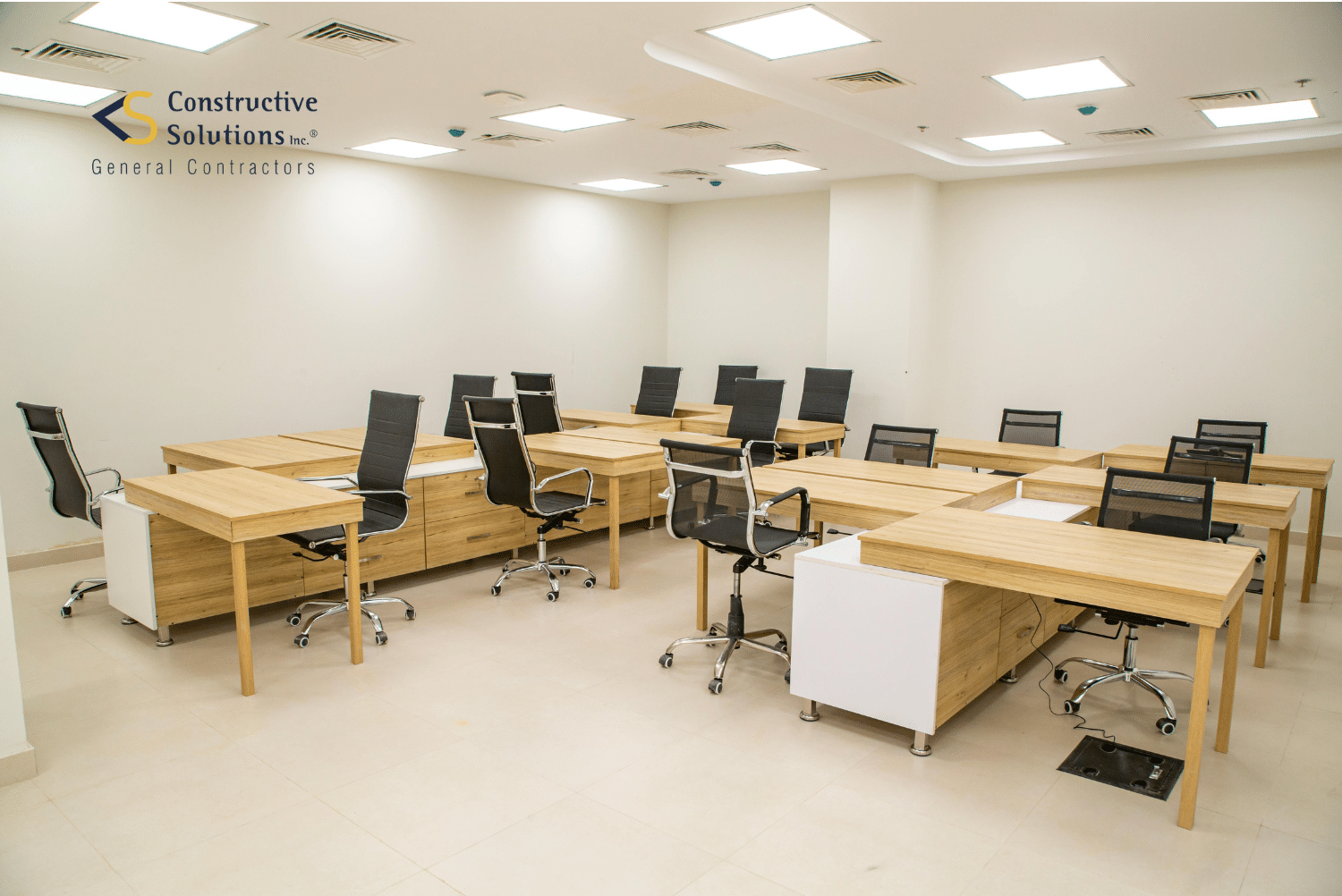
When you’re planning a renovation of your workspace, it’s vital to avoid office build-out mistakes that could lead to costly delays or lost opportunities. Building an office that inspires productivity, supports employee wellbeing, and reflects your brand identity is no small feat. A global survey found that over 85% of 10,500 workers across Europe, North America, and Asia were dissatisfied with their open office environments.
When you’re investing in a commercial office build-out, learning from others’ missteps can save you thousands and keep your employees satisfied. Let’s explore the biggest office build-out mistakes and how to avoid them.
1. Inadequate Planning Before the Build-Out
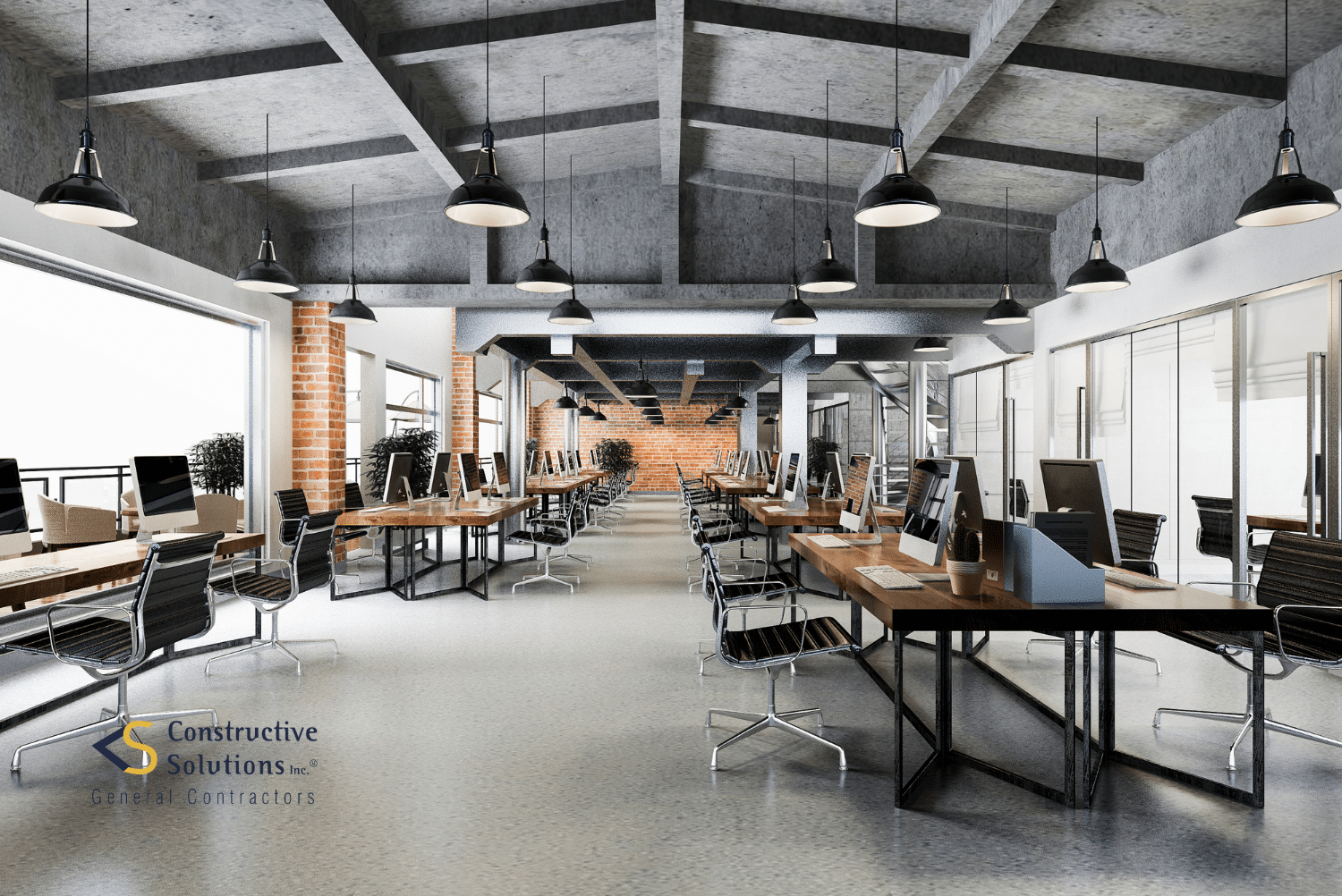
The foundation of a successful office build-out lies in meticulous planning. However, many companies, eager to move in or facing lease deadlines, dive into design and construction without a detailed strategy.
This haste often leads to misaligned goals between departments, overlooked permit requirements, and increased costs from change orders. Without a well-defined plan, even minor hiccups can transform into significant delays and expenses.
To avoid this, begin with a comprehensive project scope. Define your spatial requirements, ideal team workflows, storage solutions, branding vision, and future goals. Build a phased construction timeline with clear milestones like permitting, design approval, and contractor hiring.
Engaging a commercial contractor early ensures they realistically assess your renovation’s feasibility and helps keep your schedule on track even before construction begins.
2. Budgeting Without Contingencies
Budget overruns are among the most common pitfalls in office build-outs. This typically results from general contractors underestimating costs or failing to include financial buffers for the unexpected. It’s not just construction costs, soft costs like permits, tech upgrades, and furnishings can quickly inflate your spend.
When companies skip contingency planning, they risk exceeding budgets. This can lead to quality compromises, delayed timelines, and even project failure. Material cost fluctuations and unforeseen repairs only worsen the issue.
To build a resilient construction budget:
- Include a 10–15% contingency buffer
- Divide expenses into design, construction, IT, furnishings, and soft costs
- Confirm your responsibilities under any tenant improvement allowance (TIA)
A thorough bidding process also helps benchmark realistic pricing. Surprisingly, over 60% of business owners still underestimate the true cost of setting up an office, which can lead to unexpected financial strain down the line.
By budgeting for the unpredictable, you not only save expenses but retain the flexibility to adapt without undermining quality.
3. Choosing the Wrong Layout for Your Team
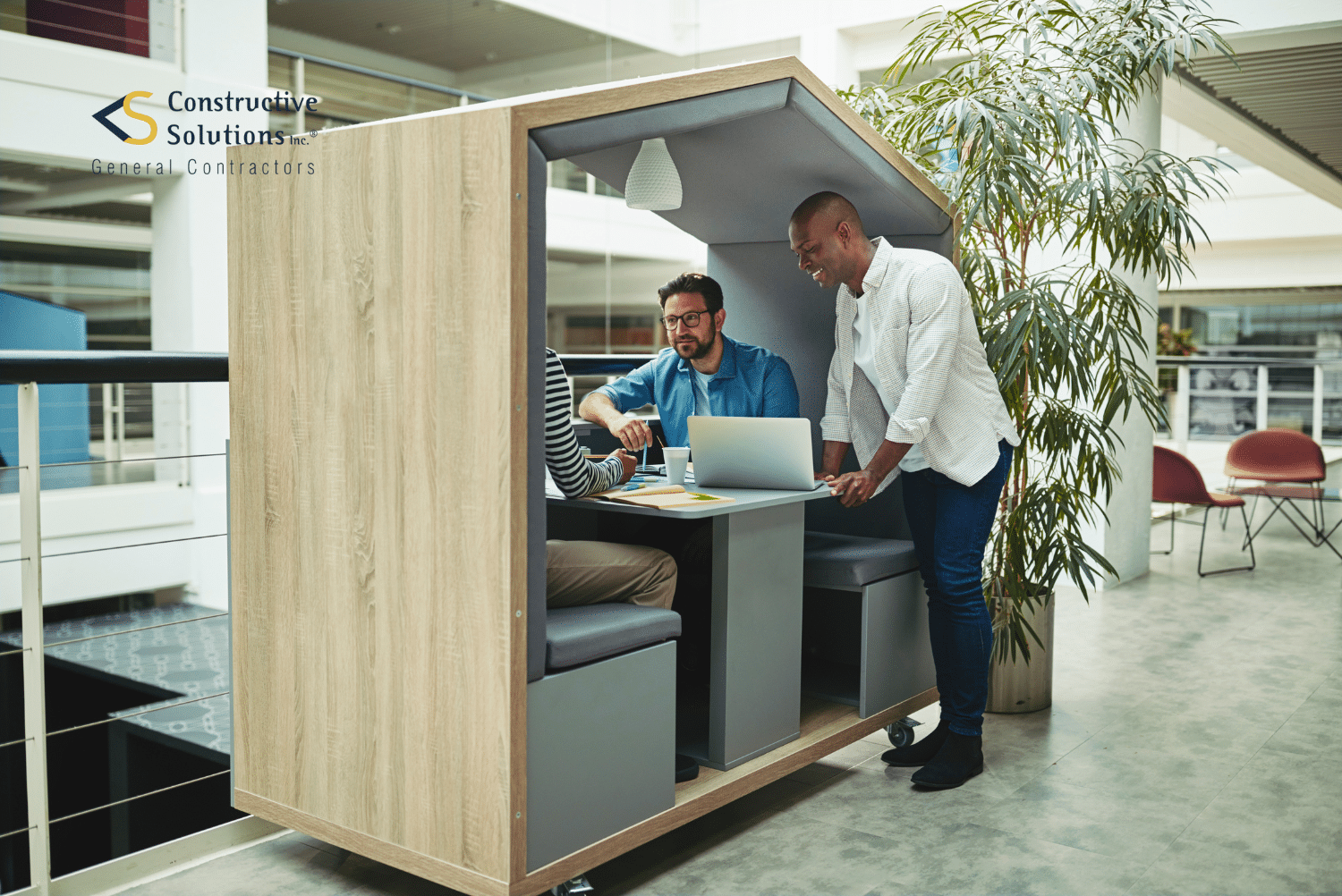
Designing a one-size-fits-all office layout, especially one based on trends rather than team workflow, is often a build-out mistake. A functional office layout can empower your team members to contribute productively.
Many companies mistakenly adopt open layouts without considering whether their teams need quiet zones for focus or private spaces for client meetings. Others prioritize collaboration areas but sacrifice functionality for individual tasks.
The result? Employee frustration, increased distractions, and costly retrofits when the space doesn’t scale or support operational needs.
Better approaches include:
- Hybrid or broken-plan layouts to balance openness and privacy
- Mapping interdepartmental interactions and workflow requirements
- Flexible spaces that can grow with your team
Work with a commercial general contractor or interior designer who understands adaptive layouts. For example, a tech startup combined quiet work pods with informal lounges and saw a 28% rise in productivity in six months.
4. Neglecting Brand Identity in the Space
Your office space is more than a workplace, it’s a physical representation of your brand. Yet many companies miss the chance to express identity through design, resulting in uninspiring, generic environments.
Brand neglect often shows up as bland finishes, mismatched furnishings, and spaces that feel temporary or disconnected. Employees may struggle to feel aligned with company values, and clients are left with a weak first impression.
To avoid this common office build-out mistake, intentionally embed your brand story into the space.
How to enhance brand expression:
- Use brand colors, slogans, and visuals in key areas
- Showcase milestones or company values via wall graphics or digital displays
- Reinforce identity in communal areas like lobbies or lounges
A well-branded environment boosts morale, strengthens culture, and signals professionalism to partners and clients. Collaborate with an interior designer who specializes in environmental branding to ensure your office communicates more than just utility, it represents your mission.
5. Underestimating the Power of Natural Light

Natural light is a proven contributor to employee well-being and productivity. Yet many office build-outs prioritize executive offices or bulky storage near windows while general work areas remain tucked in dim corners.
Research shows that employees in daylight-rich environments report improved mood, focus, and even reduced absenteeism. Poor lighting, on the other hand, leads to fatigue, eye strain, and lower morale.
Common mistakes include:
- Blocking windows with opaque partitions or dark furniture
- Using artificial lighting without adjusting for workspace needs
- Failing to distribute daylight across the floor plan
How to improve lighting:
- Place primary work areas close to windows
- Use glass walls and reflective surfaces to distribute natural light
- Supplement darker zones with full-spectrum LED systems
The World Green Building Council reports that natural light can boost productivity by up to 15%, making it a high-impact design priority.
6. Excluding Employees from the Renovation Process
Designing an office without employees may be functional on paper, but disconnected from practical usage. When teams feel unheard, their enthusiasm drops and frustrations increase post-move-in.
Employees are the ones using the space daily, and their insights into workflow, comfort, and collaboration are invaluable. Ignoring them can lead to underutilized office spaces, poor traffic flow, or features that go unused.
Engage employees effectively by:
- Sending surveys to understand current pain points
- Involving representatives from various departments in planning sessions
- Piloting design concepts or layouts through mock-up spaces
Creating feedback loops during the build-out process encourages team buy-in and ensures the space reflects your team’s specific needs and work style. When employees feel involved, they’re more likely to take ownership, respect the environment, and adapt to it more smoothly.
7. Ignoring Acoustic Comfort
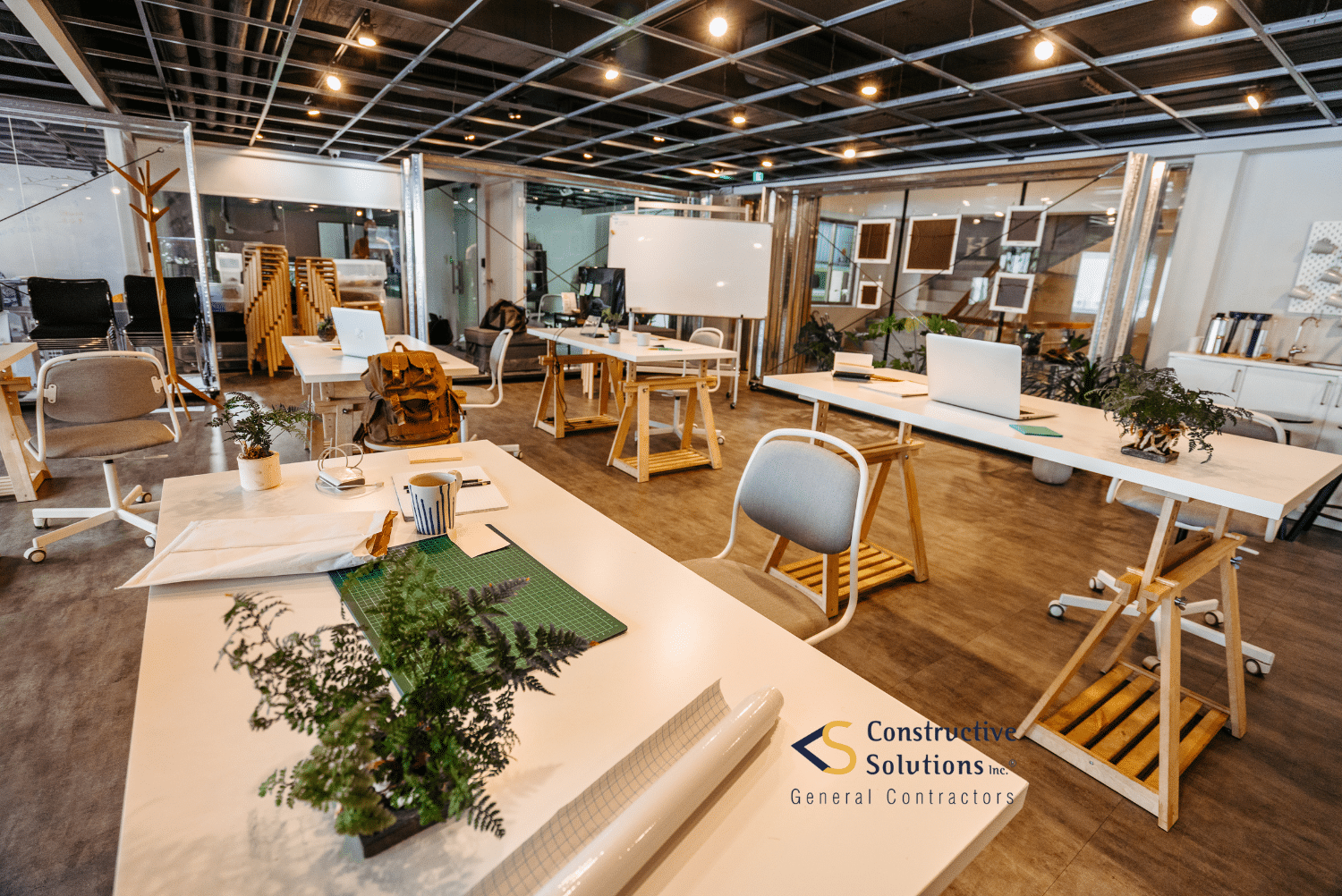
A visually stunning office loses its appeal if it’s too loud to concentrate. Sound control is one of the most complained about aspects of office design, especially in open or high-traffic layouts.
According to Interface’s Workplace Acoustics Study, 69% of office workers report that noise negatively impacts their concentration, productivity, and creativity, with 55% describing their work environments as noisy. This is particularly damaging in hybrid environments, where in-office time is meant to maximize productivity.
Common mistakes in office acoustics:
- High ceilings and hard surfaces that reflect noise
- No designated quiet areas for deep work
- Collaboration zones too close to individual workspaces
Smart sound solutions:
- Install acoustic panels, rugs, and ceiling baffles
- Separate noisy areas from quiet zones
- Create soundproof pods for calls or focused work
Work with an office build-out contractor who integrates sound control from the planning stage to avoid retrofitting costs later.
8. Not Designing for Flexibility
Today’s commercial office must adapt to tomorrow’s needs. Rigid layouts and poor infrastructure planning are among top office build-out mistakes can lead to underused areas or expensive office renovations.
For example, permanent walls make it difficult to reconfigure the space as needs change, and outdated IT systems can’t support remote or mobile work effectively. Together, these workspace limitations reduce the office’s ability to adapt, making it harder for businesses to respond to team growth, evolving technology, and hybrid work.
Future-ready design tips:
- Use modular furniture and movable walls
- Design multi-purpose zones that serve changing functions
- Plan plug-and-play infrastructure for seamless tech integration
One consulting firm used folding partitions to merge or split rooms keeping in mind future plans, saving over $30,000 in office renovation. Hence, building with flexibility ensures your space grows with your business, not against it.
Final Thoughts
An office build-out is a huge investment in your people, your brand, and your future. Each choice, from layout to lighting to culture, should reflect your company’s vision and operational needs. Avoiding these common mistakes can positively improve your commercial renovation. Furthermore, working with experienced office build-out contractors can turn a daunting process into a strategic advantage.
Looking to transform your office space?
Trust our experienced commercial general contractor who specializes in end-to-end office build-out services. We understand your workspace deserves purpose, personality, and performance.
Contact our team at Constructive Solutions, Inc. and transform your commercial office space!