
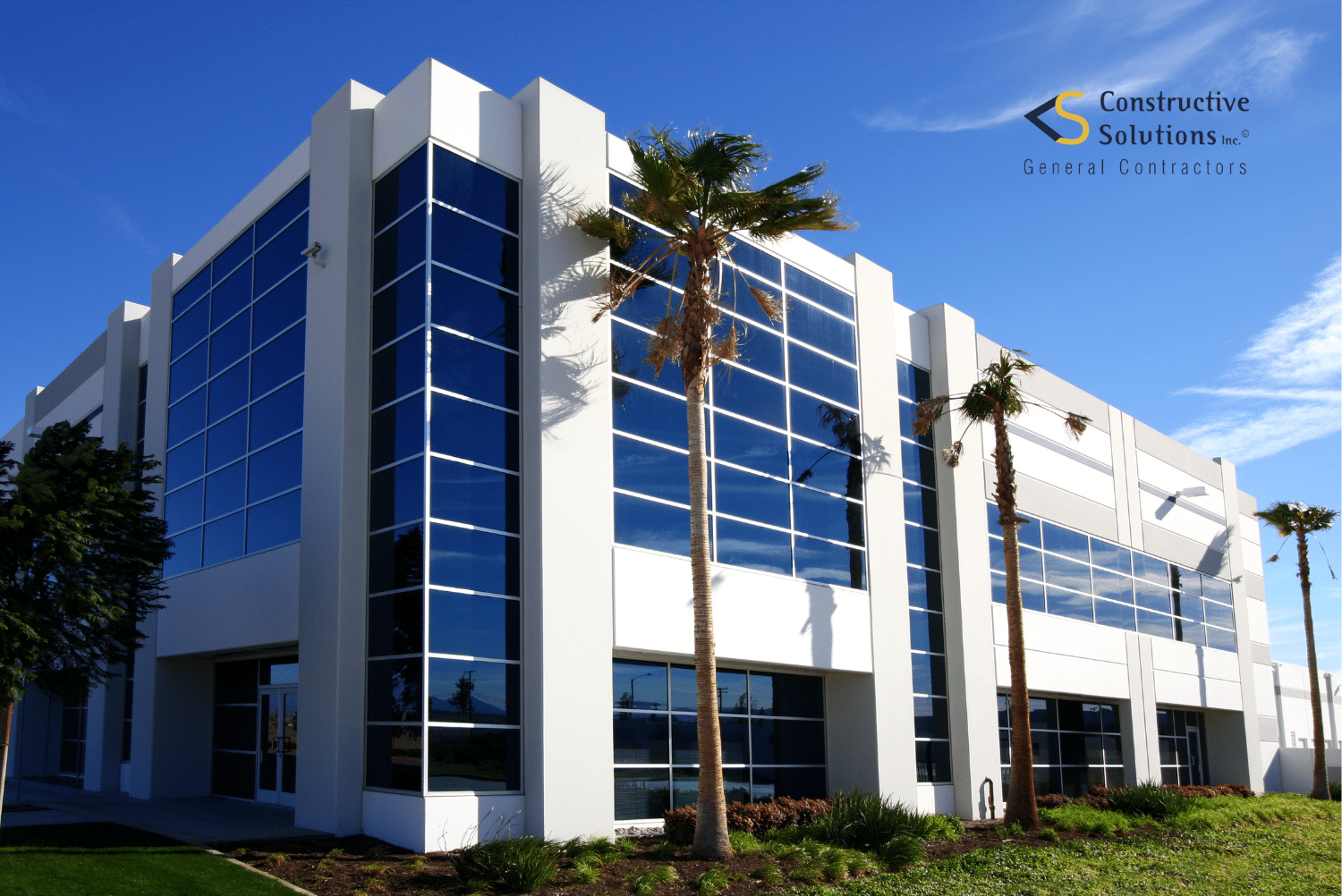
San Francisco consistently ranks among the most expensive cities globally for commercial construction. In 2023, it held the position of the second-most expensive city worldwide, with average construction costs reaching $5,200 per square meter (approximately $483 per square foot).
This blog provides a comprehensive breakdown of what it costs to build a commercial building in the San Francisco Bay Area in 2025, influencing factors, and how to reduce the costs of a construction project.
Average Construction Costs in San Francisco by Building Type
On average, the commercial construction cost in San Francisco in 2025 ranges from $238 to over $1,200 per square foot, depending on the building type, size, and complexity. For instance, constructing a mid-rise office building may cost around $500 per square foot, while a high-end life science facility could exceed $1,000 per square foot.
Here’s a complete breakdown of average costs per square foot:
| Type of Commercial Building | Cost Range ($/sq. ft.) |
| Office Building (Single to High-Rise) | $313 – $730 |
| Retail Space (Strip Mall to Regional Mall) | $261 – $575 |
| Hospitality (3-Star to 5-Star Hotel) | $402 – $849 |
| Medical Office Building | $498 |
| Apartment Complex | $350 |
| Life Science Facility | $675 – $1200 |
| Entertainment Center and Museum | $403 – $892 |
| Light Industrial Warehouse | $238 |
| Parking Structure | $70 – $143 |
What’s Driving These High Construction Costs?
If you’re wondering why it’s so expensive to build in San Francisco. It is because of supply, demand, regulations, and market volatility. But let’s understand further:
1. Labor Shortages and High Wages
There’s a well-known shortage of skilled tradespeople in the Bay Area. Whether you’re hiring electricians, HVAC technicians, or experienced carpenters, expect to pay top dollar. Union wages can range from $60 to $150/hour, depending on the trade. It’s not just about wages either; limited availability often causes scheduling delays, which translate into cost overruns.
2. Material Prices and Procurement Issues
The price of basic construction materials like steel, lumber, concrete, glass, and drywall remains volatile. Post-pandemic supply chains haven’t fully normalized, and with global demand remaining high, we’re still seeing premiums on structural steel and specialty materials. Certain MEP systems or finishes have lead times of 12+ weeks, which can cause delays if not planned for in advance.
3. Strict Seismic and Environmental Codes
San Francisco is one of the most seismically active urban zones in North America. That means adhering to strict structural codes from base isolation systems, reinforced shear walls, to vibration control, all of which increase complexity and cost. Additionally, California’s green building standards (CALGreen) and Title 24 energy requirements mandate high-performance insulation, efficient lighting systems, and water-saving technologies.
4. Permitting Delays
Navigating the City’s permitting process can be frustrating. Even straightforward tenant improvement permits may take months. Obtaining commercial building permits in the U.S. can take anywhere from 4 weeks to 6 months, largely influenced by the location, scope of the project, and regulatory processes. If the project needs environmental reviews, zoning changes, or community approvals, then permitting may take 6 to 12 months.
5. Inflation and Market Forces
Inflation continues to impact the construction industry as any other sector, with base construction costs rising by approximately 3–4% every year. Though not significant, it adds up over long project durations, especially if delays creep in.
What is included in a Commercial Construction Budget?
Understanding what makes up the total budget of your commercial project is key to budgeting and forecasting. Most business owners are surprised at just how much goes into the line items beyond just concrete and steel.
1. Hard Costs (60–70% of Total Budget)
These are the most visible and tangible costs, including materials, labor, site work, mechanical systems, structural components, and interior finishes. Everything that you can touch and see once the project is complete falls under hard costs.
- Structural Shell – Steel or concrete framing, exterior glazing, and envelope work
- MEP Systems – Mechanical, electrical, plumbing, fire protection
- Site Work – Excavation, grading, drainage, utility connections
- Interior Finishes – Drywall, flooring, millwork, lighting, specialty systems
2. Soft Costs (20–30%)
These often get underestimated, especially by first-time developers. Soft costs in a construction budget include:
- Architecture and Engineering Fees – Usually 8–12% of total construction cost
- Permits and City Fees – Impact fees, plan check, inspection fees
- Insurance and Legal – Builder’s risk insurance, liability, legal compliance
- Consultants – Surveyors, traffic engineers, geotechnical experts, LEED professionals
3. Contingency (5–10%)
This is your safety net for the unexpected, change orders, field conditions, design clarifications, or price hikes. We always recommend at least 7% contingency on commercial projects in San Francisco, if not more.
4. Financing and Operational Costs
These construction costs are often overlooked and can significantly impact your overall budget. They include interest on construction loans, property taxes accrued during the build, commissioning costs, and marketing or leasing expenses for income-generating properties.
On a $10 million commercial project, these items can add up quickly. A thorough and realistic construction budgeting isn’t just helpful, it’s critical to project success.
Strategies to Manage and Reduce Construction Costs
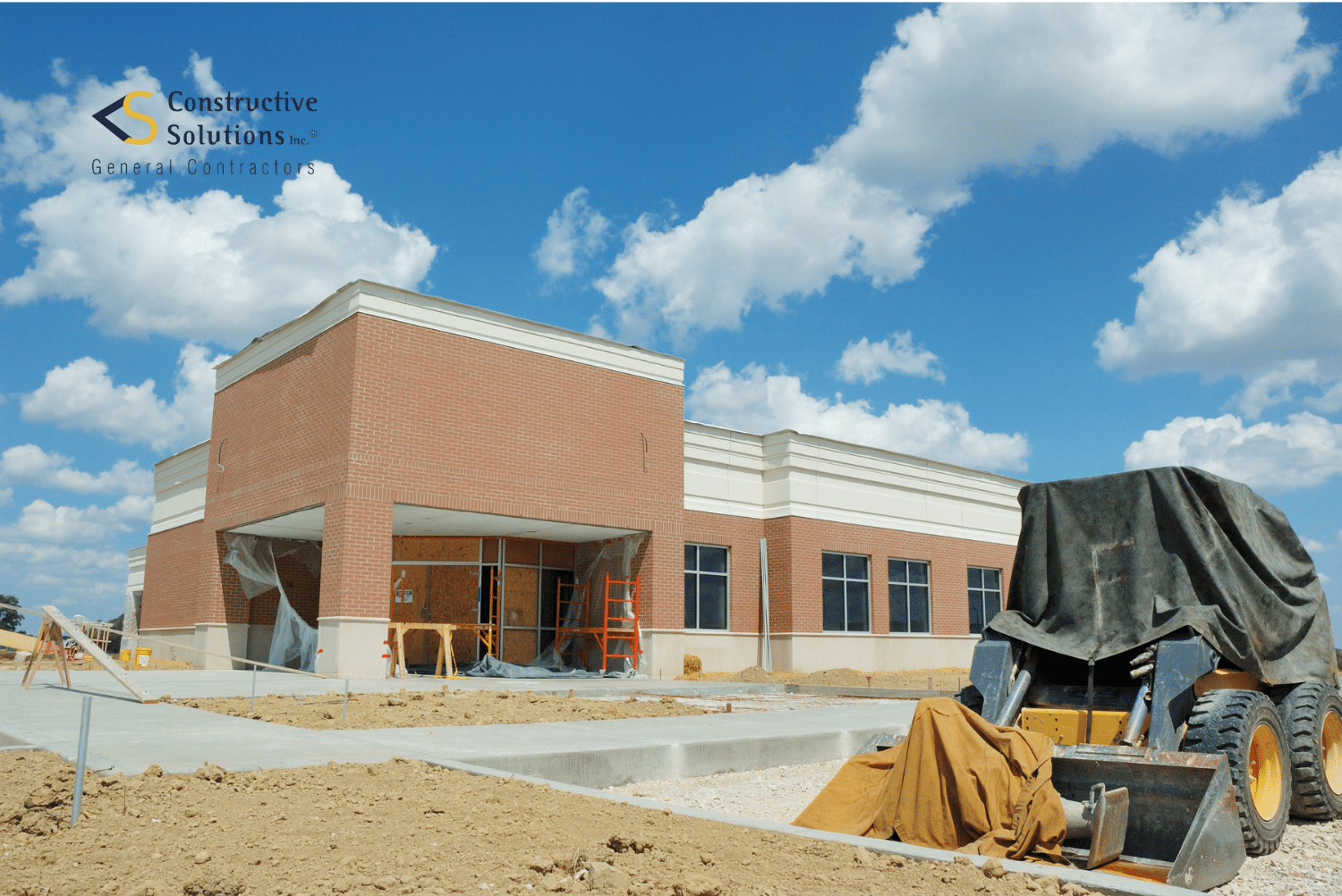
While construction in San Francisco is undeniably expensive, there are ways to control and even reduce your construction costs, without compromising on quality. Here’s what we advise our clients:
1. Plan Early and Collaborate Often
A commercial building project can achieve the biggest cost savings during its pre-construction phase. Engaging your general contractor, architect, and engineers early helps identify potential issues before they become costly change orders.
2. Value Engineering Done Right
Value engineering is not about compromising on quality; it’s about finding efficient alternatives that maintain performance. Swapping traditional framing with prefabricated wall panels, using engineered lumber instead of steel for non-load-bearing structures, or redesigning complex roofing into simpler configurations can yield major savings. It’s all about balancing function and budget.
3. Prioritize Scope Management
Clear definition and strict control of the project scope are essential. Frequent design changes during construction, known as scope creep, are among the most common reasons projects exceed budget.
4. Use Technology
Modern construction tech like Building Information Modeling (BIM) helps identify design clashes early, reducing rework and delays. Software platforms such as Procore or Buildertrend give stakeholders real-time insight into costs, schedules, and progress, improving accountability and decision-making.
5. Choose the Right Delivery Method
Alternative delivery methods like design-build or construction manager-at-risk (CMAR) can offer better cost control and faster timelines than traditional design-bid-build. In high-cost urban markets like San Francisco, these collaborative approaches often reduce risk and streamline construction.
Conclusion
Building a commercial property in San Francisco remains expensive, but careful planning and strategic decisions can help manage costs. Collaborating early, clearly defining project goals, and leveraging construction technology play a key role in keeping projects on track and within budget. While commercial building costs in San Francisco are high, understanding the market and working with the right commercial general contractor can lead to cost-effective results without compromising quality.
Ready to take the next step in your San Francisco commercial project? With deep local expertise and a proven approach to cost-effective construction, Constructive Solutions, Inc. helps you navigate challenges and deliver results.
Contact us today to start building with confidence.